
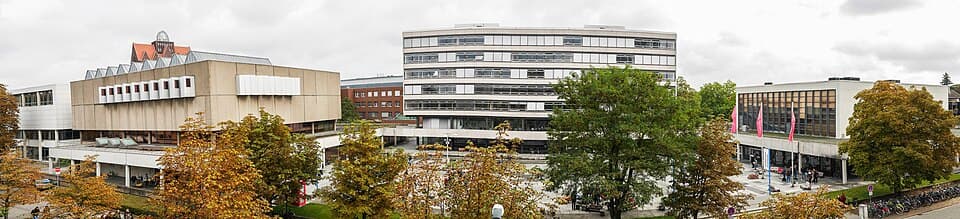

Braunschweig University of Technology
Braunschweig, Germany
TU Braunschweig is a technical university with teaching and research in engineering, natural sciences, and related fields.
Where your next big idea begins
From exploring universities to discovering life in Germany, your study journey starts here. Get to know your options and take the next step with us.
Student living costs: From $1,030 per month
Annual tuition: From about $300 at public universities
Work while studying: 20 hours per week
Post-study stay: 18 months




Research universities and universities of applied sciences offer distinct study routes in Germany. Check how your prior qualification and language skills match each course.
Braunschweig, Germany
TU Braunschweig is a technical university with teaching and research in engineering, natural sciences, and related fields.

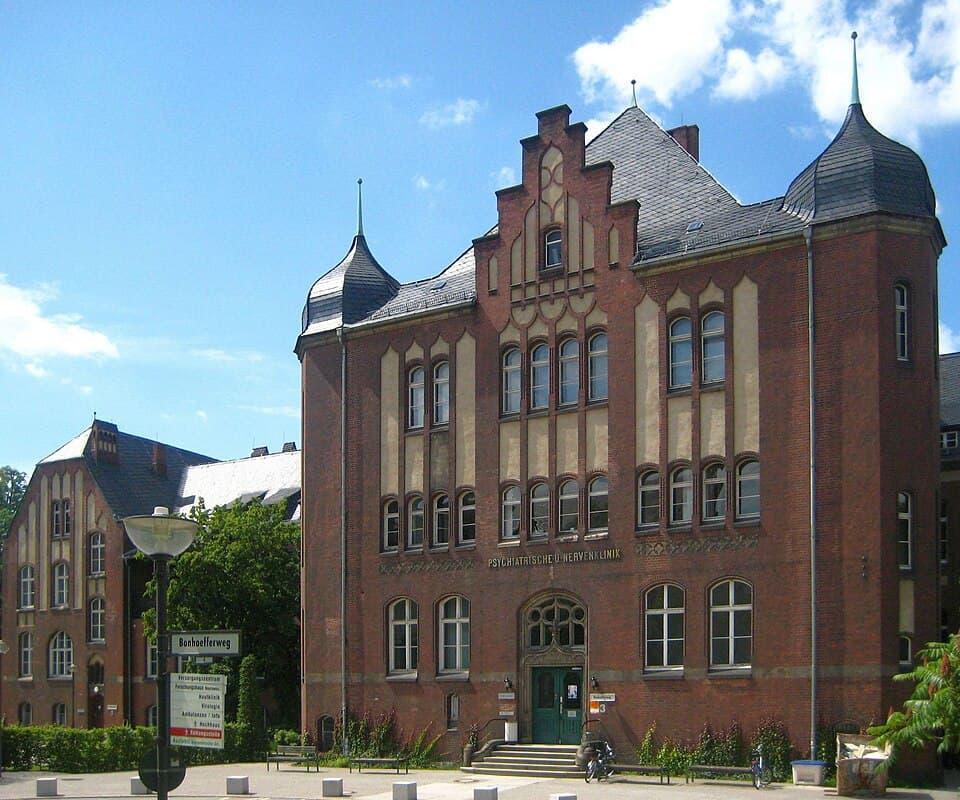
Berlin, Germany
Charité combines medical education, research, and university hospital care across its Berlin campuses.
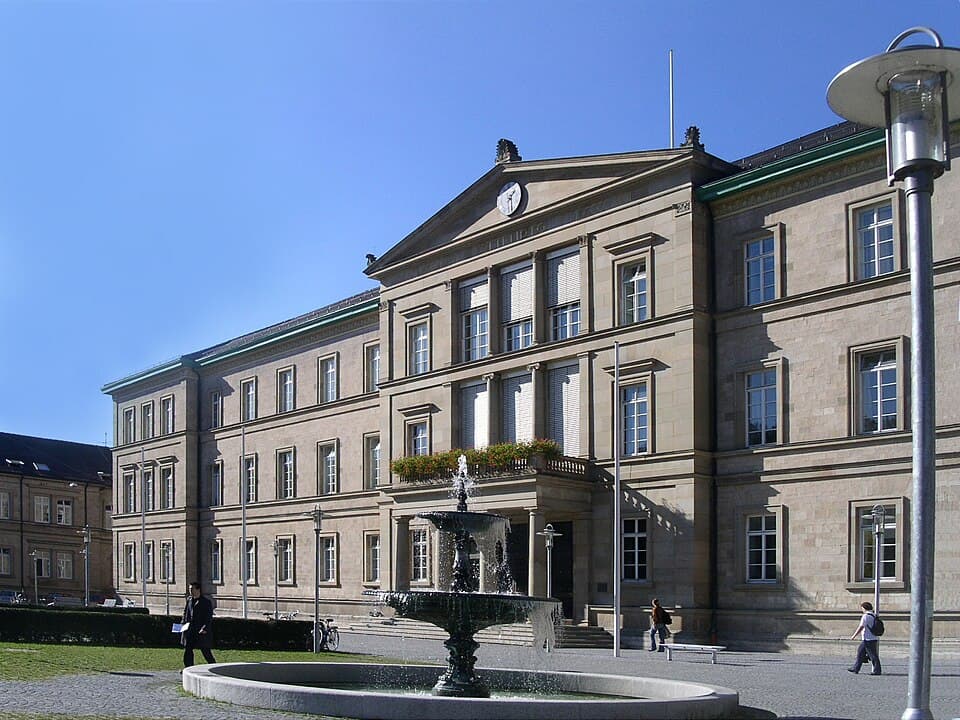

Tübingen, Germany
The University of Tübingen is a research university spanning the humanities, natural sciences, and medicine.
In Germany, student residences and shared flats, known as WGs, are common housing choices. Sharing a home creates opportunities to make friends, practise the language and share everyday responsibilities. Accommodation is generally not automatic with university admission, so start looking early and ask the international office for guidance. Alongside your studies, make room for sports, meeting friends in cafés and exploring the city’s parks.

Discuss your academic background, language and timeline with us to explore your next step.

In Germany, tuition and semester contributions are separate. DAAD estimates living costs at roughly EUR 900–1,200 monthly, with rent and location making a substantial difference.
Many public programmes have no tuition, but state, institution and programme exceptions apply; check your own course.
Budget for semester contributions, insurance, food and transport alongside rent; transport-ticket coverage varies.
Keep study materials and arrival costs separate; actual spending and proof-of-funds requirements are not necessarily equal.
Research scholarships early; do not depend on prospective student work to cover all living expenses.
Figures are estimates from official guides; confirm current amounts with your institution and accommodation provider.
Check whether your prior qualification and language skills meet the German programme’s entry requirements. Visa requirements depend on citizenship and residence status.
Secure admission to a recognised institution; qualification assessment, preparation or an entrance examination may be needed.
Prove funding through an accepted route, such as a blocked account, scholarship or declaration of commitment.
If required, arrange a study visa before travelling and the relevant study residence permit after arrival.
The route and documents depend on your nationality, course and circumstances; check the official current checklist before applying.
Share your background and goals with us to clarify your next step.